Secure Your Construction Site Now
Construction site theft costs the U.S. building industry an estimated $1 billion every year, and Florida’s year-round building season makes the state a hotspot for jobsite crime. From copper wire and power tools to heavy equipment worth hundreds of thousands of dollars, construction sites offer thieves a target-rich environment with minimal natural barriers. Vandalism, trespassing, and arson compound the problem, creating project delays, insurance premium spikes, and serious safety hazards for workers and the surrounding community.
Whether you are a general contractor breaking ground on a new development in Miami-Dade, a project manager overseeing a commercial build in Orlando, or a property owner renovating in Tampa, understanding the security threats your site faces — and the proven strategies to counter them — is the first step toward protecting your investment. This guide covers everything Florida construction professionals need to know about construction site security, including the most common threats, the role of on-site security guards, technology solutions, cost considerations, and how to build a layered security plan that keeps your project on schedule and on budget.
Why Construction Sites Are Prime Targets for Theft and Vandalism
Construction sites are uniquely vulnerable compared to finished commercial or residential buildings. During the early phases of a project, the site may lack permanent fencing, lighting, alarm systems, and locked entry points. Materials are delivered and staged in the open. Heavy equipment sits idle overnight and over weekends. Workers come and go across multiple access points, making it difficult to track who belongs on-site and who does not.
Florida’s climate amplifies these challenges. Because construction happens year-round in the state, there is no extended off-season when sites can be fully secured and shut down. Extended daylight hours in the summer mean longer work shifts with more opportunities for materials to go unmonitored, while shorter winter days create earlier periods of darkness when criminal activity spikes. Coastal and suburban projects are particularly vulnerable due to their proximity to major highways and population centers, which give thieves quick access and easy escape routes.
The Most Common Construction Site Security Threats in Florida
Understanding the specific threats your jobsite faces helps you design a security plan that addresses real risks rather than generic concerns. The most prevalent threats to Florida construction sites include the following.
Material Theft
Copper wiring, plumbing fixtures, lumber, drywall, roofing materials, and HVAC components are the most commonly stolen items from construction sites. Copper theft alone accounts for a significant portion of all construction-related crime because the metal can be quickly stripped and sold to scrap yards. In Florida, where large-scale residential and commercial developments routinely stock tens of thousands of dollars in materials on-site, a single overnight theft can wipe out weeks of procurement lead time and blow project budgets.
Equipment Theft and Unauthorized Use
Heavy equipment such as excavators, skid steers, generators, and compressors are high-value targets. The National Equipment Register estimates that equipment theft costs the construction industry between $300 million and $1 billion annually in the United States. Many pieces of heavy equipment lack standardized ignition systems, making them easy to start and drive off-site. Even when equipment is not stolen outright, unauthorized use by trespassers can result in damage, fuel theft, and liability exposure.
Vandalism and Graffiti
Vandalism can range from spray-painted graffiti on newly finished walls to deliberate destruction of plumbing, electrical, and structural work. The cost of repairing vandalism damage often extends beyond the direct repair expenses to include project delays, re-inspection fees, and increased insurance deductibles. Repeat vandalism can also signal broader security weaknesses that, if left unaddressed, invite escalating criminal activity.
Trespassing and Liability Risks
Unauthorized individuals entering a construction site create significant liability exposure for the property owner and general contractor. Trespassers include curious neighbors, thrill-seeking teenagers, homeless individuals seeking shelter, and in some cases, organized criminals conducting surveillance before a planned theft. If a trespasser is injured on your site, Florida premises liability law may hold the property owner responsible, even if the person was there illegally. Proper security measures help demonstrate that you took reasonable steps to prevent unauthorized access.
Arson
Arson is the most devastating threat to a construction site. A fire can destroy months of work in minutes, and construction sites are particularly susceptible because they contain large quantities of combustible materials, incomplete fire suppression systems, and limited water access. Arson at construction sites is sometimes motivated by insurance fraud, personal grudges, or competitive sabotage, but it can also result from careless trespasser behavior such as campfires or discarded cigarettes.
The Role of On-Site Security Guards at Construction Sites
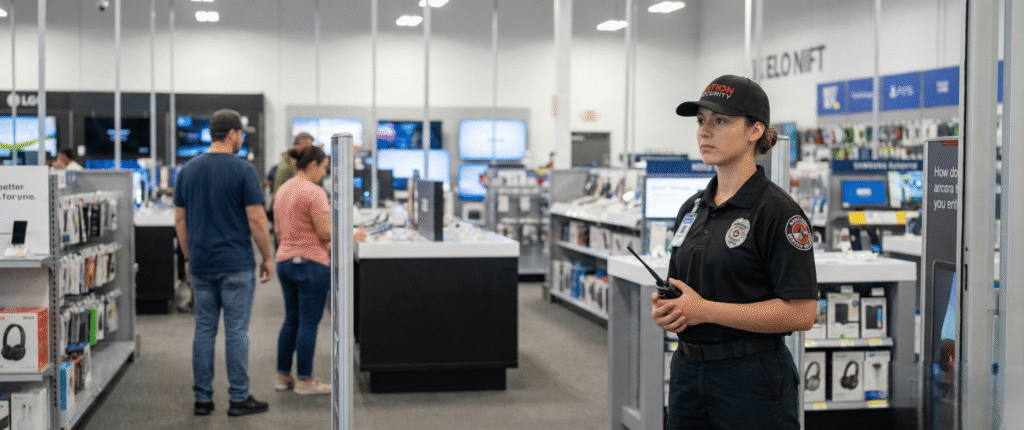
While cameras, fences, and alarm systems provide passive layers of deterrence, they cannot replace the active presence of a trained, licensed security officer. A security guard on-site serves as both a deterrent and a rapid responder, providing capabilities that technology alone cannot match.
A professional construction site security guard can verify the identity of every person entering the property using a credentialing or sign-in system, conduct scheduled and random patrols of the perimeter and interior to identify vulnerabilities before they are exploited, respond immediately to suspicious activity, alarms, or unauthorized access attempts, document all incidents with detailed written reports that support insurance claims and legal proceedings, coordinate with local law enforcement as the first point of contact in the event of a crime, and monitor deliveries and material staging to prevent internal theft and ensure accountability.
At Nation Security, our construction site guards are trained specifically for the unique demands of jobsite environments. They understand the flow of a construction project, the difference between authorized subcontractors and unauthorized visitors, and the specific vulnerabilities that change as a project progresses from excavation through finishing. Our officers use a digital reporting platform that gives project managers real-time access to patrol logs, incident reports, and site condition updates from any device.
Building a Layered Construction Site Security Plan
The most effective approach to construction site security uses multiple overlapping layers of protection. No single measure is foolproof, but when physical barriers, technology, human presence, and procedural controls work together, they create a security environment that is extremely difficult for criminals to penetrate.
Physical Barriers and Access Control
Perimeter fencing is the first line of defense and should be installed before any materials or equipment arrive on-site. Chain-link fencing with privacy screening at a minimum height of six feet, topped with barbed wire or razor ribbon in high-risk areas, creates a visible deterrent and a physical obstacle. All entry points should be gated and locked when the site is not actively staffed, with a single controlled access point during working hours where a security officer or site supervisor can verify credentials.
Shipping containers and lockable tool cribs should be used to secure high-value tools and materials overnight. Equipment keys should be collected and stored in a locked key cabinet at the end of each shift, and fuel caps should be locked to prevent fuel theft.
Lighting
Adequate lighting is one of the most cost-effective security measures available. Well-lit sites deter criminals who rely on darkness for concealment and make it easier for security cameras and patrol officers to detect suspicious activity. Focus lighting on the site perimeter, material storage areas, equipment parking zones, and all entry and exit points. Motion-activated floodlights are particularly effective for areas that are not under continuous surveillance, as they draw immediate attention to movement.
Surveillance Cameras and Remote Monitoring
Modern construction site surveillance systems use high-definition cameras with night-vision capability, wide-angle lenses, and cellular connectivity so they can operate without hardwired internet service. Many systems include remote monitoring by a professional security operations center that can dispatch guards or law enforcement the moment suspicious activity is detected. Camera systems also provide valuable evidentiary footage for insurance claims and criminal investigations.
For Florida construction sites, look for cameras rated for outdoor use in high-humidity and high-temperature environments, with vandal-resistant housings and battery or solar backup power.
Security Guards and Mobile Patrols
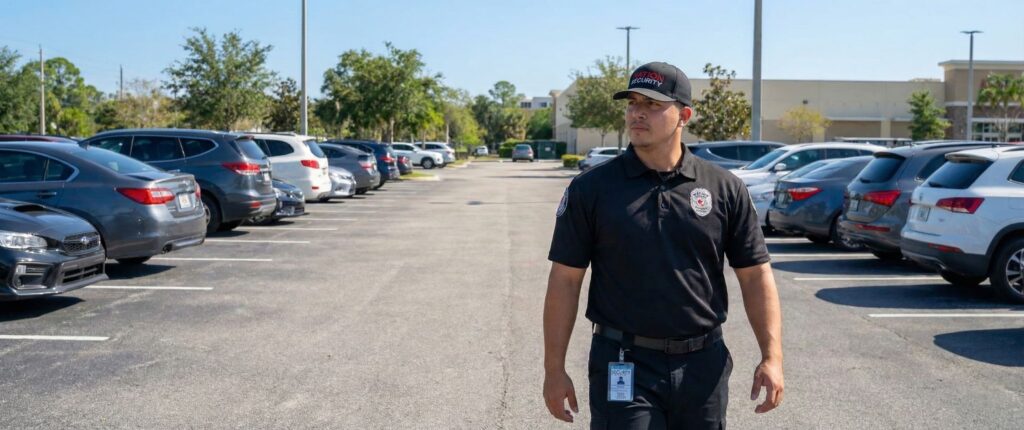
On-site security officers provide the active human element that ties every other layer together. For large or high-value projects, a dedicated guard stationed at the site during the most vulnerable hours — typically from the end of the workday through the early morning — provides continuous coverage. For smaller projects or tighter budgets, mobile patrol units that conduct multiple random visits throughout the night offer a cost-effective alternative that still provides a strong deterrent.
Inventory Management and Procedural Controls
Security is not only about keeping outsiders off-site. Internal theft by workers and subcontractors accounts for a significant percentage of construction site losses. Implementing a rigorous inventory management system that tracks every delivery, documents material usage, and reconciles on-hand quantities against project requirements helps identify discrepancies early. Requiring sign-in and sign-out for all tools and equipment creates accountability and discourages opportunistic theft.
Construction Site Security Costs in Florida
The cost of professional construction site security in Florida depends on several factors, including the size and location of the site, the level of coverage needed, and the duration of the project. As a general guideline, unarmed security guards for construction sites typically cost between $25 and $40 per hour. Mobile patrol services, where a guard visits the site multiple times per night on a rotating schedule, are often available at a lower total cost than a dedicated on-site officer. Armed security, which may be appropriate for sites storing extremely high-value materials or equipment, typically ranges from $35 to $55 per hour.
When evaluating the cost of security, compare it against the potential losses from a single major theft or vandalism incident. Replacing stolen copper wiring in a large residential project can easily cost $50,000 or more, not including the project delay. A single piece of stolen heavy equipment can represent a loss of $100,000 to $500,000. Professional security is an investment that almost always costs less than the losses it prevents.
When to Hire Construction Site Security
Many general contractors and project owners wait until they experience a theft or vandalism incident before investing in professional security. By that point, the damage is already done and the project timeline has been compromised. The best practice is to bring in professional security at the start of the project, before materials and equipment are staged on-site. This is especially important if the site is located in a high-crime area or a neighborhood with a documented history of construction site theft, if the project involves high-value materials such as copper, specialized fixtures, or expensive equipment, if the site is in a remote or poorly lit location with limited natural surveillance from neighboring properties, if you have experienced theft or vandalism on previous projects, or if the project has a tight timeline where even a minor delay from a security incident would have significant financial consequences.
Nation Security offers flexible deployment options that scale with your project. We can start with a single overnight guard during the early phases and expand to full day-and-night coverage as the project grows and more materials arrive on-site. This approach lets you match your security investment to your actual risk level at each stage of construction.
How to Choose a Construction Site Security Provider in Florida
Selecting the right security company for your construction project requires evaluating several factors beyond just the hourly rate. First, verify that the company holds a valid Florida Class B Security Agency License issued by the Florida Department of Agriculture and Consumer Services. This license is legally required to operate a security business in the state. Second, confirm that all individual guards are licensed with at least a Class D Security Officer License, and a Class G license if armed security is being provided.
Ask about the company’s experience specifically with construction site security. A company that primarily provides corporate office or retail security may not understand the unique demands of a jobsite environment. Look for a provider that can demonstrate experience with projects similar to yours in size and scope, and request references from other general contractors or project managers who have used their services.
Evaluate the company’s technology capabilities. Digital reporting platforms, GPS-verified patrol tracking, and real-time incident alerts give project managers visibility into what is happening on their site around the clock. These tools also provide documentation that can be critical for insurance claims and legal proceedings. Finally, verify insurance coverage, including general liability and workers compensation, and ensure the amounts are adequate for the value of your project.
Frequently Asked Questions About Construction Site Security
How much does construction site security cost in Florida?
Professional unarmed security guards for construction sites in Florida typically cost between $25 and $40 per hour. Armed guards range from $35 to $55 per hour. Mobile patrol services that conduct multiple nightly visits are often more affordable than a full-time dedicated officer. The total cost depends on the hours of coverage, number of guards, and duration of the project.
What is a construction site security plan?
A construction site security plan is a written document that outlines the specific security measures, procedures, and protocols for protecting a jobsite from theft, vandalism, trespassing, and other threats. It typically includes a risk assessment, physical security measures such as fencing and lighting, technology solutions like cameras and alarms, guard deployment schedules, access control procedures, incident response protocols, and communication plans.
Do construction sites need security guards?
While not legally required in most cases, professional security guards significantly reduce the risk of theft, vandalism, and trespassing at construction sites. Sites with high-value materials, expensive equipment, or locations in high-crime areas benefit the most from on-site guard services. The cost of a security guard is almost always less than the cost of a single major theft or vandalism incident.
What are the best security measures for a construction site?
The most effective construction site security uses a layered approach that combines physical barriers such as perimeter fencing and locked storage, adequate lighting around all vulnerable areas, surveillance cameras with remote monitoring, on-site security guards or mobile patrols during off-hours, and strict access control and inventory management procedures. No single measure is sufficient on its own, but together they create a comprehensive security environment.
How can I prevent copper theft at my construction site?
Copper theft prevention starts with limiting the amount of copper stored on-site at any given time by scheduling deliveries to align with installation schedules. Store all copper materials in locked shipping containers or secure enclosures. Install adequate lighting and surveillance cameras around storage areas. Post a security guard during overnight hours when most copper theft occurs. Mark copper materials with identifying information that makes them harder to sell at scrap yards, and report all thefts to local law enforcement immediately.
Protect Your Florida Construction Project with Nation Security
A single theft or vandalism incident can derail your construction timeline by weeks and cost tens of thousands of dollars in replacement materials, equipment, and project delays. Professional construction site security is an investment that protects your bottom line, keeps your project on schedule, and gives you peace of mind throughout every phase of the build.
Nation Security provides fully licensed, insured armed and unarmed security guards for construction sites across Florida. Our officers are trained in construction site security protocols including access control, perimeter patrol, incident reporting, and coordination with law enforcement. We offer flexible deployment options that scale with your project, from a single overnight guard to full 24/7 security teams, and our digital reporting platform gives project managers real-time visibility into guard activity and site conditions.
Contact Nation Security today at 800-260-5615 or visit nationsecurity.com to request a free construction site security assessment. We will evaluate your site, identify vulnerabilities, and present a customized security plan designed to protect your investment from the first shovel to the final inspection.